
A Surprising Benefit of Getting Older
I was listening to a podcast recently that made me stop and think. The discussion centred around resilience and how, as women get older, we often become far more resilient than we give ourselves credit for.
At first, I wasn't sure I agreed. But the more I reflected on my own life, the more I realised there was some truth in it.
The challenges I've faced in my 40s would probably have completely overwhelmed me in my 20s. Over the years, I've built a business, changed careers, navigated motherhood, moved countries, managed relationships, handled disappointment and started again when things haven't gone to plan. None of these experiences felt easy at the time, but each one taught me something valuable about my ability to cope with uncertainty and change.
Life has a funny way of strengthening us, whether we realise it's happening or not. Perhaps that's one of the unexpected gifts of getting older. We accumulate evidence that we've survived difficult conversations, tough decisions, heartbreak, failure, change and setbacks. We face situations that once seemed impossible, and somehow we find our way through them. The things we once thought might break us become part of our story, and yet here we are - still standing.
I was reminded of this recently when I read an article titled “Is 40 Too Old to Become a Better Skier?” One response stood out: “I’m a much better skier at 60 than I was at 40.” It struck me because it perfectly captures something we often overlook - that experience, persistence and a willingness to keep trying can lead to improvement at any stage of life.
The podcast also touched on something else that really resonated with me: the importance of making ourselves uncomfortable. Not in a reckless, dramatic way, but through small, deliberate challenges that stretch us beyond what feels easy.
Modern life makes it incredibly simple to stay ‘comfortable’. We can have food delivered to our door, stream endless entertainment, shop online, work from home and spend hours scrolling through our phones. It's entirely possible to go through a day without doing anything that challenges us.
While comfort feels pleasant in the moment, I'm not convinced it helps us grow for very long. In fact, I think the opposite is true. Confidence, resilience and self-belief are often developed when we do things we'd rather avoid. Not because they always feel good in the moment, but because they remind us what we're capable of.
I've been thinking about this a lot recently. Partly because life has felt challenging at times, and partly because I've realised how tempting it is to retreat into comfort when things become difficult.
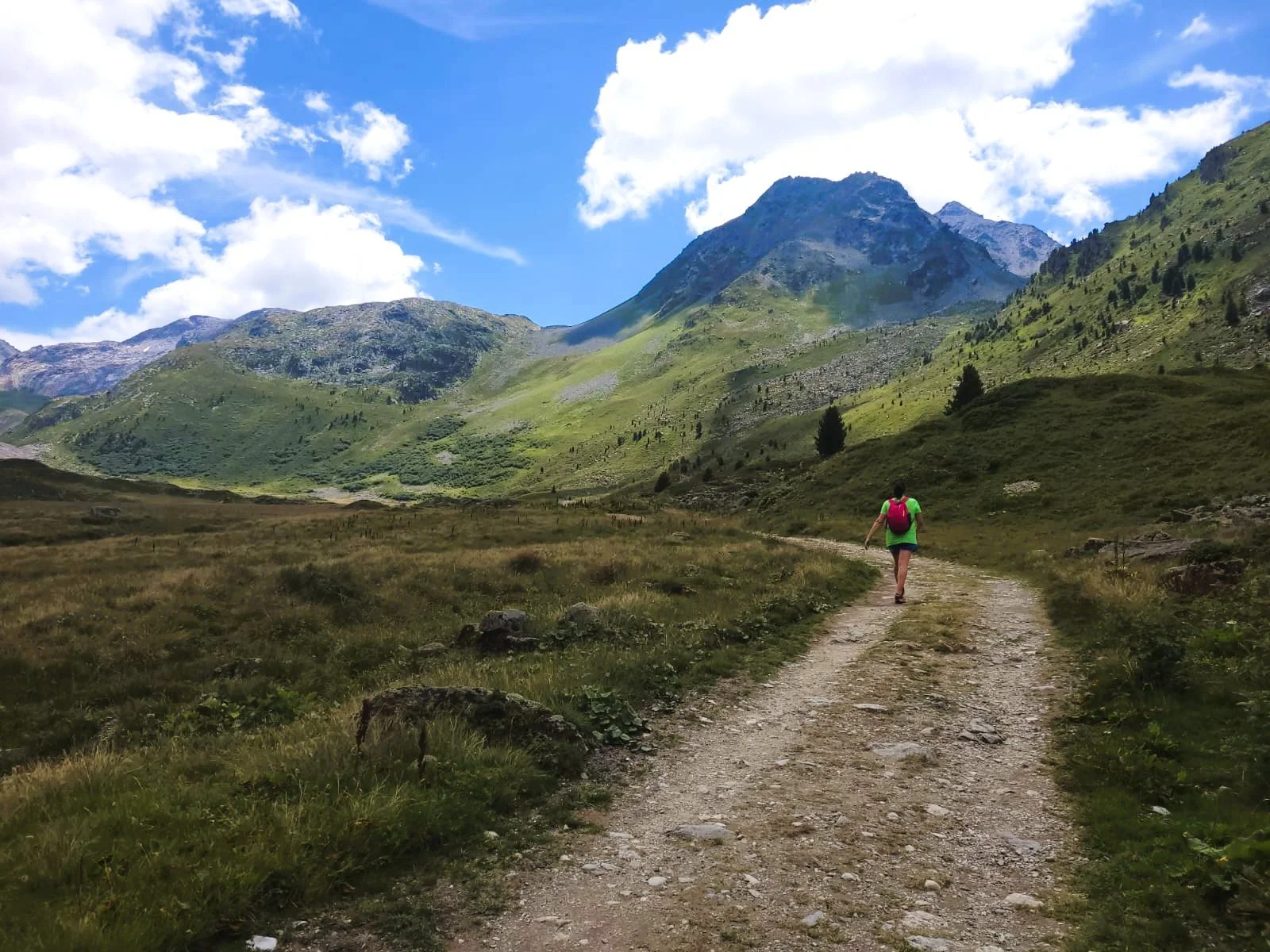
As a result, I've started making some small changes. Nothing dramatic - I haven't suddenly decided to train for an ultra-marathon. But I have re-started my early morning walks (much easier in the summer!), choosing the stairs instead of the lift and generally doing a little more than feels comfortable.
What's interesting is that the physical challenge isn't really the point. The real benefit lies in the message it sends to my brain: you can do hard things, you can keep going and you can cope with discomfort.
The lesson isn't really about exercise at all. It's about trust.
Every time we do something slightly uncomfortable, we gather evidence that we're stronger than we thought. We prove to ourselves that we're capable and that we don't need to avoid every difficult feeling that comes our way. Over time, those small acts of courage build resilience.
This is why I think resilience and confidence are so closely linked. Many people spend years waiting to feel confident before they take action. They wait before signing up for the class, joining the gym, entering the race, applying for the job, tackling the steeper ski run or starting the business.
But confidence rarely arrives first.
More often than not, confidence is built because we did the thing. We stepped forward despite our doubts, survived the discomfort and proved to ourselves that we could handle it. Confidence is often the result of action, not the prerequisite for it.
The older I get, the less interested I am in proving myself to other people. What matters more now is proving things to myself. Not because I need to earn my worth, but because every time I step outside my comfort zone, I reinforce the belief that I'm capable of more than I previously thought.
Perhaps that's what resilience really is. It's not about avoiding challenges or pretending things don't feel hard. It's about trusting yourself enough to keep moving forward anyway.
So perhaps the question isn't, "What if I can't do it?"
Perhaps the better question is, "What if I'm far more resilient than I realise?"
And if that's true, maybe now is the perfect time to do that thing you've been putting off. Whether it's a Parkrun, a gym session, an early morning walk, a course you've been considering, a difficult conversation or another challenge entirely, it may be worth taking that first step.
Because if life has taught us anything by this stage, it's that we're capable of far more than we often give ourselves credit for.
