
The Lasting Impact of One Throwaway Comment
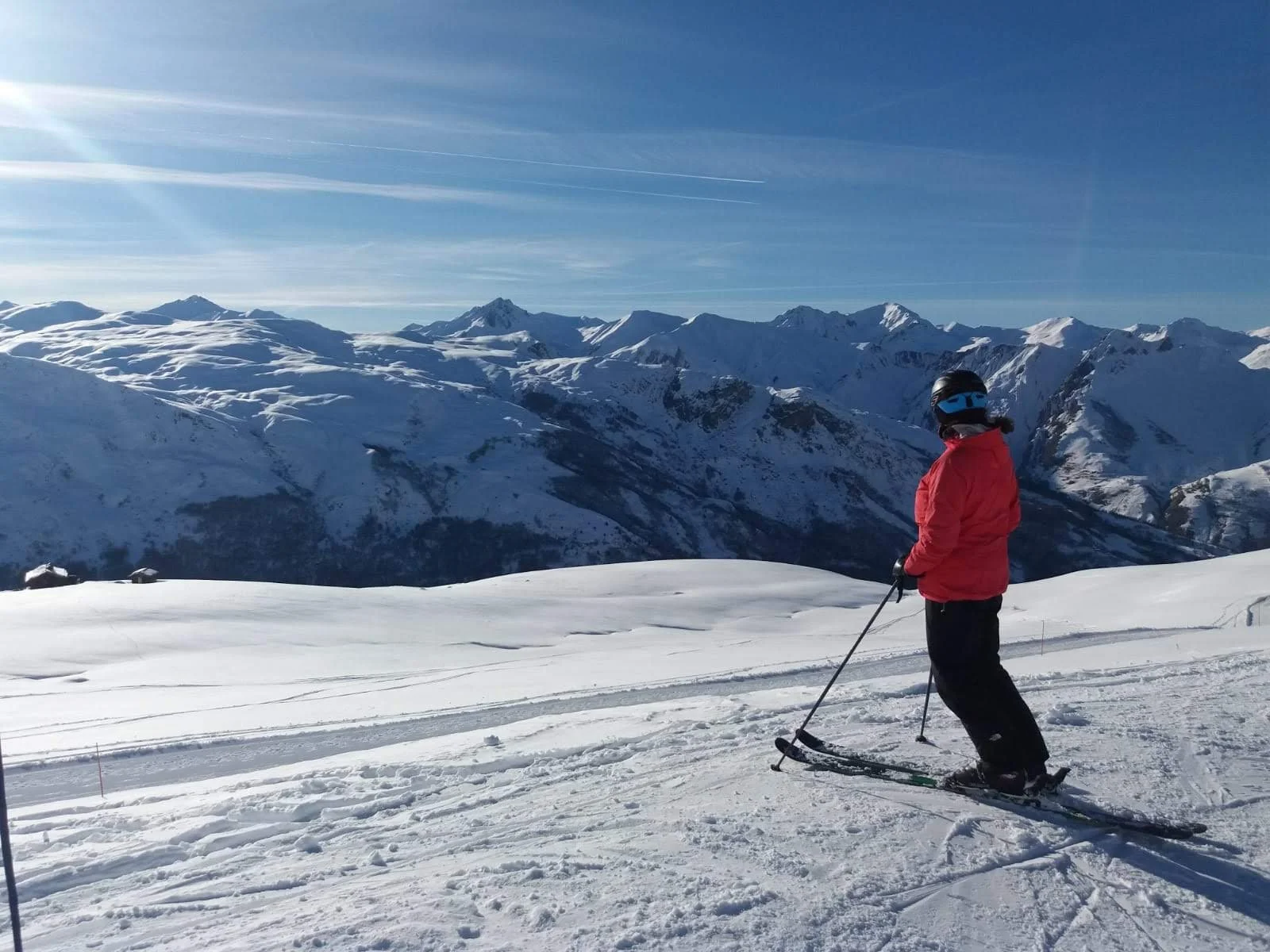
When clients tell me about losing confidence in their skiing, they rarely begin by talking about technique.
Instead, they tell me a story.
Sometimes it's about a difficult day on the mountain. Sometimes it's about a fall. But surprisingly often, it comes back to something somebody said. Not a whole conversation, just one sentence.
It might have been an instructor. A friend. A family member. Another skier in the group. Occasionally it wasn't even directed at them. Yet years later, they can still repeat those words almost verbatim.
I've often found myself wondering whether the person who said them has any idea they're still being remembered.
My guess is that, most of the time, they don't.
Because the thing about throwaway comments is that they're rarely intended to be hurtful. They might have been spoken in frustration, offered as encouragement, delivered with humour or simply said without much thought at all. The intention isn't usually the problem. The timing often is.
The same words, spoken to two different people, can have two completely different effects. It all depends on what they're already carrying.
If someone is already standing at the top of a slope questioning whether they're capable, feeling embarrassed about holding up the group or quietly wondering whether they should be there at all, one seemingly ordinary sentence can land with far more weight than anyone intended. Not because the words themselves were extraordinary, but because they confirmed something that person was already afraid might be true.
Of course, the opposite happens too.
I've worked with clients who still remember the instructor who paused for a moment, noticed they were overwhelmed and changed their approach. They remember the person who gave them permission to take their time, who believed in them before they believed in themselves, or who somehow knew exactly what they needed to hear. Those moments stay with people just as powerfully.
The more I think about it, the more I realise this has very little to do with skiing.
I could just as easily be talking about teachers, managers, parents, colleagues or coaches. In fact, if I'm honest, I can probably think of occasions where my own words have stayed with someone far longer than I ever intended. That's quite a sobering thought.
It reminds me that we never really know what someone is carrying when they stand in front of us. We don't know what happened before they arrived that morning, what story they're already telling themselves or how close they are to giving up. We certainly don't know whether the next sentence we say will reinforce that story... or begin to change it.
I don't believe this means we should avoid honest feedback. Growth almost always requires challenge and, as coaches, instructors and leaders, it's part of our job to help people improve.
What I've come to realise, though, is that there's a difference between challenging someone's performance and unintentionally shaping their identity.
One says, "This is something we can work on."
The other leaves someone wondering, "Maybe I'm just not the sort of person who can do this."
That's a very different message to carry home.
It's one of the reasons I love working with people who have lost confidence. Very rarely do I meet someone who has genuinely lost the ability to ski. Far more often, they've simply lost trust in themselves.
Sometimes that loss of trust has built up gradually over years. Sometimes it can be traced back to one particular moment. One fall. One experience. One comment that became much bigger than the person who said it ever imagined.
Helping someone untangle that story is one of the most rewarding parts of what I do. Not because we're changing the past, but because we're reminding them that one moment doesn't get to decide the rest of their story.
One sentence can stay with someone for years.
Thankfully, so can one act of kindness.
If my work has taught me anything, it's that confidence isn't only shaped by the difficult moments we experience. It can also be rebuilt by the people who help us see ourselves differently.
I think that's a responsibility worth taking seriously.
