
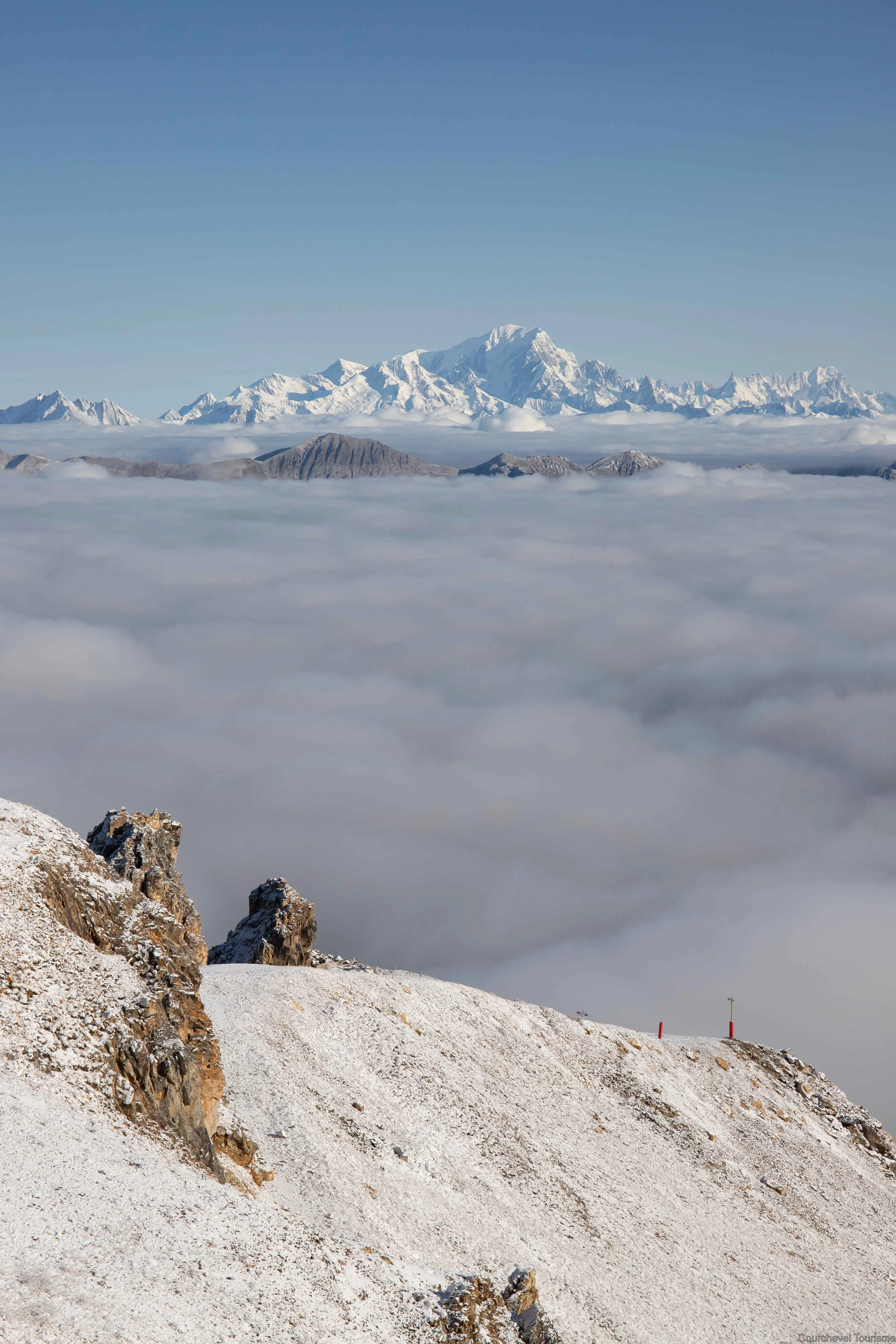
Premières neiges ©Courchevel Tourisme
As the temperatures begin to drop and the first snow appears on the mountains, thoughts inevitably turn to the ski season ahead. For many people, the preparations are already well underway. Holidays are booked, equipment is being checked, fitness routines are gathering momentum and perhaps a few lessons have been arranged to help get back into the swing of things.
We invest a considerable amount of time, money and energy in preparing for our ski holidays. After all, we want to make the most of our precious time in the mountains.
But there's one area of preparation that is so often overlooked, and it can have an enormous influence on how much we actually enjoy our skiing.
Our mindset.
Why do we prepare our bodies but overlook our minds?
When we think about improving our skiing, the natural response is often to focus on technique or fitness. If we're struggling with a particular slope, perhaps we need another lesson. If our legs are tiring, maybe we should be doing more exercise. And if we're feeling nervous, surely we just need to get out there, build up our confidence and remind ourselves that we know how to ski?
Sometimes, of course, additional instruction or physical preparation is exactly what's needed. But what happens when you've done all those things and something still doesn't feel right?
This is a situation I encounter regularly in my coaching work.
People come to me with years of skiing experience, sometimes decades, who can describe exactly what they're supposed to do technically but find themselves unable to put it into practice when they feel anxious. Others have returned to skiing after a break and are surprised by how different the experience feels. And then there are those who are progressing well, perhaps even skiing at a high level, but find themselves increasingly frustrated by their own expectations.
Their circumstances may be different, but there's often something they have in common: the way they're thinking and feeling is influencing the way they're skiing.
And no amount of new equipment is going to resolve that on its own.
Confidence isn't always a reflection of ability
One of the biggest misconceptions about ski confidence is that it naturally increases as our technical ability improves.
It would certainly make life easier if that were always the case!
But confidence is influenced by far more than our skiing ability. Previous experiences, perceived risk, changes in our circumstances, expectations and even the people we're skiing with can all affect how we feel on the mountain.
An experienced skier might suddenly become uncomfortable on terrain they've skied hundreds of times before. An adult learner may be making excellent technical progress but constantly comparing themselves with friends or family who have been skiing since childhood. Someone returning after an injury might know they're physically ready to ski again but struggle to trust their body.
And for a performance-focused skier, confidence might not look like fear at all. It could be the frustration of not skiing to the standard they expect of themselves, overthinking every turn or becoming so focused on getting things right that the enjoyment begins to disappear.
These experiences don't necessarily mean someone has lost their ability. But they can change how that ability is accessed and expressed.
When we feel threatened or under pressure, our attention narrows, our muscles may become tense and we can find ourselves reacting differently from how we would when relaxed and comfortable. We might hesitate, become overly cautious or start consciously controlling movements that would normally happen quite naturally.
It's not difficult to see how this can become a frustrating cycle. The more uncomfortable we feel, the harder skiing becomes, and the harder skiing feels, the less confident we become.
What does preparing your mindset actually involve?
Mental preparation isn't about convincing yourself that everything will be wonderful or that you have nothing to worry about.
Skiing takes place in an environment where conditions can change quickly, and being aware of genuine risks is an important part of making sensible decisions.
Instead, it's about developing a better understanding of your own responses and learning how to manage them more effectively.
That might begin with recognising the situations that trigger anxiety or self-doubt. Perhaps it's poor visibility, a particular type of terrain, skiing with faster friends or the anticipation of your first run of the day.
It also involves becoming more aware of the internal conversations that accompany those experiences.
There's a considerable difference between approaching a slope thinking, "I hope I don't mess this up," and being able to focus on what you need to do in that moment.
Of course, simply changing the words we use isn't always enough. Some responses are deeply ingrained, particularly when they're connected to previous frightening experiences or long-standing beliefs about our abilities.
This is where more focused mindset work can be particularly valuable.
Through coaching, we can explore the patterns behind those responses and use practical techniques to help change how someone experiences and responds to challenging situations.
The aim isn't to eliminate every uncomfortable feeling or guarantee that you'll never have another difficult day on the mountain. It's to help you feel more capable of managing those moments without allowing them to dictate your entire skiing experience.
Don't wait until you're standing at the top of the slope
One of the things I often encourage people to consider is how much easier it can be to work on their confidence before they're back in the environment that triggers their anxiety.
When you're standing at the top of a slope feeling overwhelmed, it's not necessarily the ideal moment to start trying to understand why you're reacting that way.
By taking some time beforehand, you have the opportunity to recognise familiar patterns, develop strategies and begin practising different responses without the immediate pressure of being on the mountain.
It's also worth remembering that mental preparation isn't exclusively for people who are anxious about skiing.
If you're looking to improve your performance, become more consistent, manage expectations or simply rediscover the enjoyment that originally drew you to the sport, your mindset deserves just as much attention.
After all, skiing isn't only about what you're technically capable of doing. It's also about how you experience it.
A different approach to the season ahead
As I prepare for the upcoming ski season and my involvement in the VIP SKI Confidence Week in Val d'Isère, I'm particularly excited about the opportunity to bring more attention to this often-overlooked aspect of skiing.
The Confidence Week is designed to help guests explore the psychological side of their skiing alongside their time on the mountain, and it's wonderful to see mindset becoming part of the wider conversation about ski confidence.
It's something I would love more skiers to consider, regardless of their experience or ability.
Because perhaps the most useful question to ask yourself before your next ski holiday isn't simply whether you're fit enough, whether your equipment is ready or whether you've booked enough lessons.
Perhaps it's worth asking:
How would I like to feel when I'm skiing this season, and what could I do now to help make that possible?
If previous ski holidays have left you feeling frustrated, anxious or disappointed, you don't have to wait until you're back on the slopes to start making changes.
Ready to approach this season differently?
Throughout November, I'm offering 15% off my three-session Ski Confidence Coaching Package, giving you the opportunity to work with me one-to-one before the season gets underway.
Together, we'll explore what's affecting your confidence, identify the patterns that may be holding you back and develop practical strategies to help you approach your skiing differently.
The usual investment is £695, reduced to £590.75 throughout November, with a payment plan also available.
Offer ends 30 November. Use code NOVEMBER15 at checkout.
Find out more here.
